
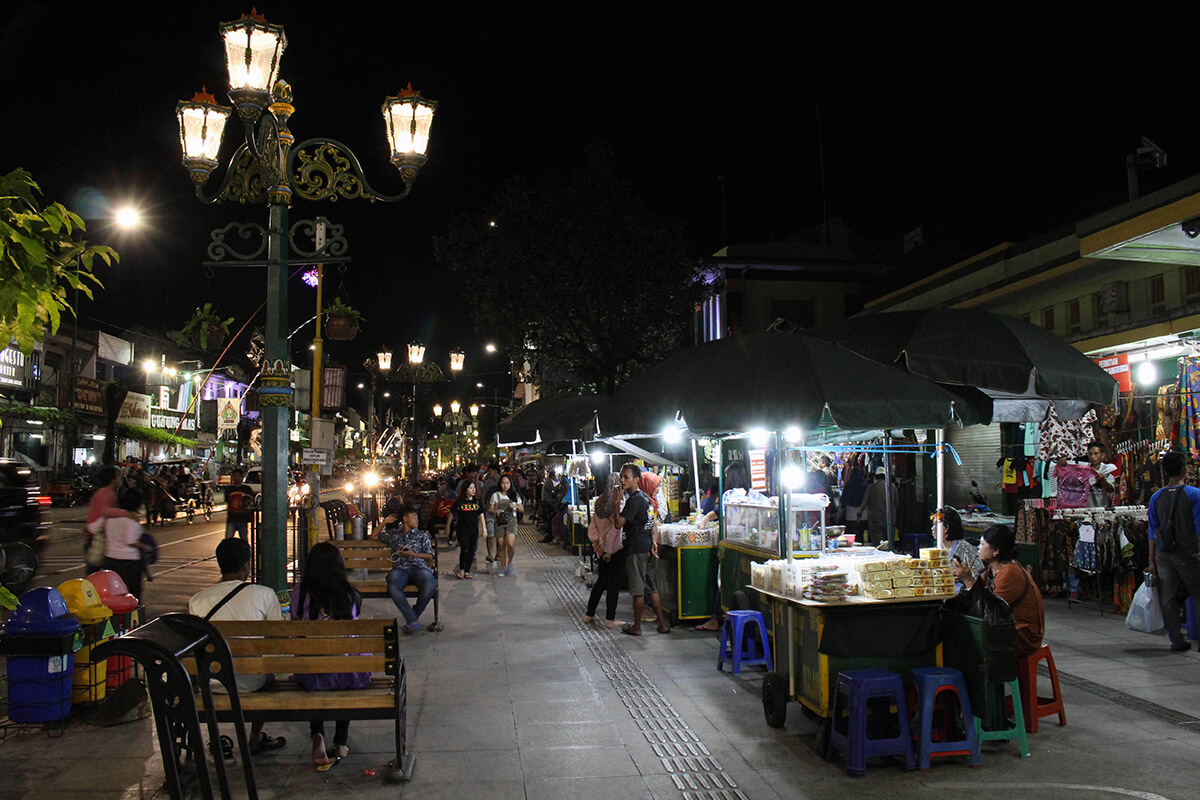
Yogyakarta is a city where tradition meets artistry, and nowhere is this more evident than in its iconic clothing. The Kebaya and Jarik are timeless symbols of Javanese elegance, worn during special ceremonies and daily cultural expressions. For travelers exploring Wonderful Indonesia, discovering the beauty of these traditional garments offers a deep dive into local heritage, craftsmanship, and aesthetic sophistication.
The Elegance of Kebaya
Cultural Heritage
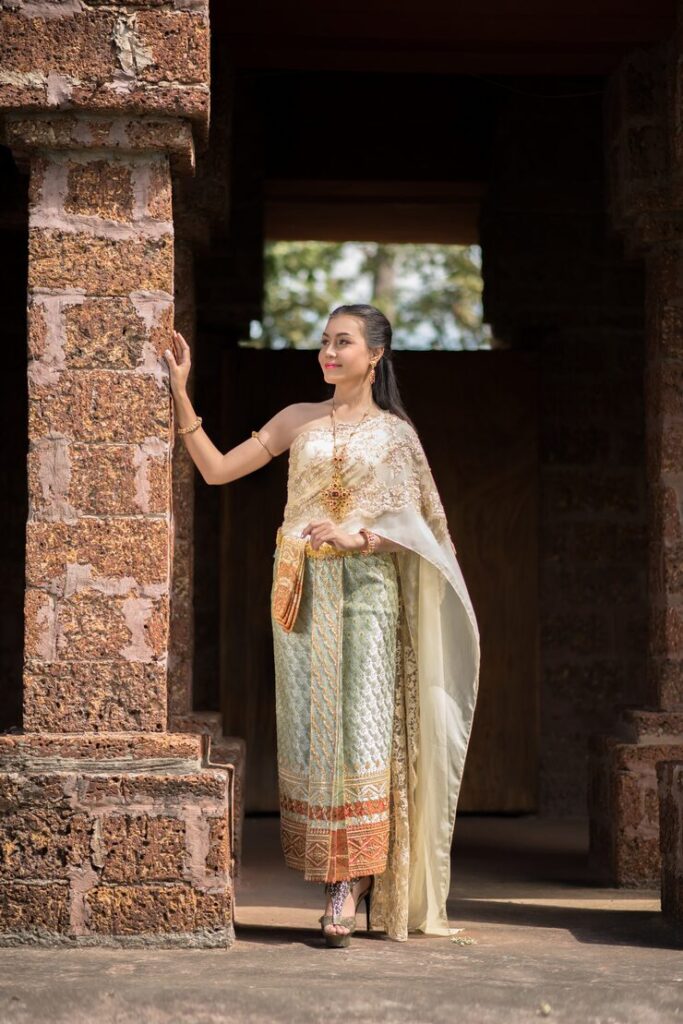
The Kebaya is a delicate, embroidered blouse traditionally paired with a Jarik. It is worn by women during weddings, cultural festivals, and formal occasions. In Yogyakarta, the Kebaya is often handcrafted with lace, beads, and intricate motifs, reflecting the wearer’s social status and the significance of the event. Wearing a Kebaya provides an intimate connection to centuries of cultural tradition.
Contemporary Adaptations
Today, designers in Yogyakarta blend classic Kebaya styles with modern fashion elements. Visitors can explore boutiques that display innovative combinations of fabrics, colors, and embroidery. These adaptations allow travelers to appreciate the evolving art of Javanese fashion while preserving its traditional roots.
The Significance of Jarik
Batik Artistry
Jarik, the long traditional fabric wrapped around the body, is typically made of hand-dyed batik. Yogyakarta is famed for its batik craftsmanship, with patterns that carry symbolic meanings related to nature, mythology, and philosophy. The combination of Kebaya and Jarik creates a visual narrative that tells stories of Javanese identity and values.
Ceremonial Importance
Jarik is used in a variety of cultural and ceremonial contexts. Specific patterns are chosen for weddings, rites of passage, and religious ceremonies. Observing these traditions allows visitors to understand the symbolic depth behind the garments and the cultural significance of Javanese attire.
Experiencing Traditional Attire in Yogyakarta
Hands-On Workshops
Travelers can join batik-making workshops and experience the art of wearing Kebaya and Jarik. Participating in these sessions offers a unique opportunity to connect with artisans, understand their techniques, and appreciate the cultural heritage preserved in every stitch and motif.
Cultural Tours and Markets
Yogyakarta’s traditional markets and cultural tours provide visitors with access to authentic Kebaya and Jarik. From high-end boutiques to local artisan stalls, travelers can shop for exquisite garments while supporting the local craft community. These experiences enrich a Wonderful Indonesia adventure, offering memories of style, culture, and creativity.
Conclusion
Kebaya and Jarik in Yogyakarta are more than clothing—they are living art, reflecting centuries of Javanese culture, values, and elegance. Experiencing these garments allows travelers to connect with local traditions, witness masterful craftsmanship, and celebrate Indonesia’s rich cultural tapestry. For anyone exploring Wonderful Indonesia, a journey into Yogyakarta’s traditional fashion offers a truly inspiring and memorable experience.

