Author

Andrea Edwards

Browsing

Remote work gives people flexibility, but it also removes many small workplace moments. There is no quick smile after a difficult meeting. No casual “thank you” while walking back from lunch. No card passed around the office before someone’s last day.

Those little moments may seem minor, but they help people feel connected. Without them, appreciation can become quiet, scattered, or forgotten. That is why employee appreciation cards matter more in remote work culture than many companies realize.

A remote employee may be doing excellent work and still feel invisible. They attend calls, submit updates, answer messages, and move projects forward, but the emotional side of work can fade when every interaction happens through a screen.

Remote Teams Need More Intentional Recognition

In an office, appreciation can happen by accident. Someone notices a coworker staying late. A manager sees how a team member handles a difficult client. Colleagues hear each other solving problems in real time.

Remote work hides much of that effort. People often see the final result but not the work behind it.

This makes intentional appreciation more important. A thoughtful card can say, “We saw what you did.” That simple message can carry a lot of weight for someone working alone at home or from another location.

Digital tools make this easier. With digital thank you cards, remote teams can gather messages from coworkers across locations and send recognition that feels personal rather than routine.

A Card Creates a Pause

Remote work can be fast and fragmented. Messages come through Slack, Teams, email, project tools, and video calls. A thank-you message in a chat thread may be appreciated, but it disappears quickly under new updates.

An employee appreciation card creates a different kind of moment. It asks people to pause, write something more considered, and contribute to one shared expression of gratitude.

That pause is valuable. It gives recognition more emotional space.

A card for a remote employee’s work anniversary, for example, can include messages from teammates they work with daily and leaders they rarely meet. For the recipient, that combination can feel surprisingly meaningful.

Group Appreciation Reduces Distance

Distance is not only physical. Remote employees can sometimes feel socially distant from the company, especially if they joined without ever meeting the team in person.

Group cards help close that gap. When several coworkers contribute, the employee sees that they belong to a real team, not just a list of names on a call.

RecoCards is built around this kind of shared experience. Users can create a group greeting card and invite others to add messages, photos, and GIFs. For remote teams, this makes appreciation more collaborative and less dependent on office presence.

The final card becomes something the employee can read slowly, revisit, and remember.

Remote Farewells Need Extra Care

Farewells are one of the clearest examples. In a physical office, people might gather in a meeting room, share stories, and hand over a card. In remote teams, farewells can easily become a short video call and a few rushed messages.

That can feel flat, especially for someone who spent years with the company.

A digital farewell card gives everyone time to contribute properly. Former project partners can write specific memories. Managers can share thoughtful thanks. Colleagues in other time zones can participate without missing the moment.

This helps remote departures feel more human.

Appreciation Supports Retention and Morale

Employees do not need constant praise, but they do need to feel that their work matters. In remote settings, where people may already feel disconnected from company culture, appreciation helps reinforce belonging.

Employee appreciation cards are not a complete recognition strategy by themselves. They will not fix poor management or burnout. But they are a practical part of a healthier culture.

They work because they are simple, personal, and visible. They make gratitude easier to express and easier to receive.

Not Every Card Needs a Big Occasion

One mistake companies make is saving appreciation only for birthdays, anniversaries, and farewells. Those moments matter, but remote workers also need recognition after everyday contributions.

A card can be sent after:

A difficult project launch.
A strong presentation.
A stressful deadline.
A team member helping others quietly.
A successful client handoff.

These moments often say more about culture than formal annual awards.

Digital Cards Feel Natural for Remote Teams

Remote teams already work digitally. They meet online, collaborate online, and share updates online. It makes sense that appreciation would also become digital.

The important thing is not whether the card is physical or online. The important thing is whether the message feels sincere.

When a digital card includes specific notes from real coworkers, it does not feel cold. It feels like people made the effort to show up, even from different places.

A Small Gesture With a Long Afterlife

Remote work can make employees feel like their contributions vanish into task boards and meeting notes. A good appreciation card gives them something more lasting.

They can return to it after a hard week. They can save it. They can remember that their work was noticed.

That is why employee appreciation cards are so useful in remote culture. They bring warmth into work environments that can sometimes feel efficient but emotionally thin. And for teams that want an easy way to do that, RecoCards offers a simple path to create shared digital cards without making recognition complicated.

Planning a family trip with grown-up kids can seriously drive you crazy sometimes. Most travel websites show these perfect, clean trips that just do not happen in real life. As a mom with two teenage girls, I know real travel is all about missed timings, bad moods, and sudden changes. I want to talk about how we actually see the world without hiding the messy parts.

Real family trips are about having fun together, not just taking cool photos for social media. We love checking out local spots, trying random street food, and finding things that everyone enjoys. When you travel with teenagers, you cannot follow a strict rulebook. You need to mix a few solid plans with a lot of free time to just walk around and laugh.

travel planning app

Finding authentic dining and local cultures during family road trips

For us, food is the most important part of any vacation we take. After working behind the scenes for big food blogs for years, I look at every meal as a way to learn about a city. We always stay away from big tourist restaurants. Instead, we look for crowded local markets, small food carts, and tiny family shops where the real local flavor is.

If you don’t want your teens to get annoyed, don’t pack your day with too many activities. I always tell parents to open a simple travel planning app to check roads and quick food stops. This keeps us moving in the right direction but leaves room to stop whenever we see something cool. Being flexible stops everyone from getting tired and angry.

Balancing teenage preferences with parent interests during long journeys

Getting your teenagers to help pick where to go before the trip changes everything. We always give them their own free time in the afternoon to shop or just sit around. It is a great idea to try new foods together instead of eating the same old things. Also, keeping driving hours short keeps everyone happy and energetic.

Selecting coastal destinations and the best places to visit this year

When we plan our next big break, we want a nice mix of chilling out and eating good food. The best places to visit are always those little beach towns with great local markets. These quiet places are perfect for taking photos and just hanging out as a family. We love spots that feel alive, friendly, and have a lot of old stories.

Conclusion

Family vacations don’t need to look perfect to be the best time of your life. When you accept the messy, real moments, you get much closer to your kids. Just pack some great food ideas, keep your phone planning tools ready, and don’t stress too much. Every simple road trip can turn into an amazing memory if you just go with the flow.

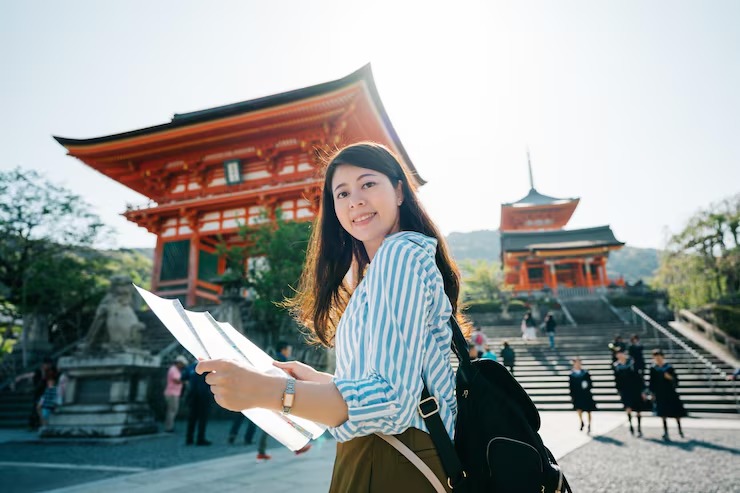
Tokyo is one of those cities that can make you feel amazed, and also a bit overwhelmed at the same time. One moment you’re standing near a calm shrine, and just a few minutes later you’re facing bright lights, busy crossings, shopping streets, and this endless parade of food choices. For a lot of travelers, that weirdly perfect mix is what makes Tokyo unforgettable. But honestly, planning the best day can be hard, because there is so much going on. That’s why Tokyo guided tours are a smart pick, for people who want a smoother, more personal, and honestly enjoyable experience. With Tokyo Grand Tours, visitors get private Tokyo tours, hotel pickup, flexible routes and custom itineraries that follow your interests. Whether you want to hunt down Tokyo’s famous landmarks, take a scenic day trip to Mount Fuji, visit historic Nikko, or enjoy Kamakura’s quiet, gentle vibe, a private guided tour helps you experience Japan more relaxed and with more meaning. 

Why Tokyo Guided Tours Make Things Easier 

Tokyo is exciting, but it is also huge, loud, and split into tons of neighborhoods. You might want to see Senso-ji Temple, Meiji Shrine, Shibuya Crossing, the Imperial Palace area, local markets, gardens, and modern shopping districts all in one short day. Without a plan, it can turn into a tiring blur pretty fast. Tokyo Guided Tours remove the guesswork. Instead of constantly checking maps, train times, and which station exit is correct, you can just focus on the places in front of you. Plus, a private tour feels way more flexible than a fixed group tour. You can take your time, ask questions, snap photos whenever you want, stop for little local finds, and shape the day around what feels right. 

A Private Tour Feels More Personal Somehow 

One of the best parts of a private tour is that it doesn’t feel rushed or generic. Travelers arrive with totally different reasons to visit Japan. Some are into history and culture. Others want food, shopping, photography, anime, architecture, or nature. And then there are those who just want a comfortable day with someone who really knows the city. Tokyo Grand Tours gives custom itineraries, which means your route is built around your travel style. If you like quiet temples and traditional streets, your day can include those cultural stops. If you want the pulse of modern Tokyo, the tour can be wrapped in Shibuya, Harajuku, Ginza, or other lively areas. 

What You Can Enjoy on a Tokyo Tour 

Tokyo really does have something for everyone. In Asakusa, you can stroll through a historic area, see Senso-ji Temple, and wander little shops packed with snacks and souvenirs. At Meiji Shrine, you get that peaceful forest feeling right in the middle of the city. Shibuya is where Tokyo’s modern side shows up, with fashion, lights, crowds, and the famous crossing everyone talks about. The Imperial Palace area is a calm, scenic break from the faster sections of town. With a Private Tokyo tours guide, these places stop being “just pictures” and start feeling understandable. You’ll get clear explanations, local stories, and helpful context, so each spot becomes easier to remember. 

tokyo guided tours

Helpful Reasons to Book a Private Tokyo Tour 

A private Tokyo tour can make your whole day feel comfortable, from the start to the end. It’s especially useful when you want a mix of sightseeing, culture, comfort, and flexibility. Some major benefits include: 

  • Hotel pickup so you start the day easily, without stress 
  • Custom routes shaped by your interests, your pace, and your travel goals 
  • Comfortable private transport, so you can cover more spots with less effort 
  • Local guidance that helps you understand culture, history, and the smaller hidden details 
  • Flexible timing for photos, breaks, food stops, and personal preferences 

Day Trips Beyond Tokyo Are Worth It, Really 

Tokyo is amazing, but some of Japan’s most memorable places sit just outside it. Mount Fuji is a top day trip choice, because of its natural beauty and its iconic views. A private Mount Fuji tour can include scenic areas like Lake Kawaguchi, viewpoints, and calm countryside stops, depending on weather and the schedule. Nikko is also a great option, famous for historic shrines, mountain scenery, and that steady traditional mood. Kamakura works well for travelers who love temples, coastal scenery, and a slower atmosphere. Planning these trips alone can be tough, especially if you want to make the most of your time, so a private tour can make the journey a lot easier. 

Hotel Pickup Adds Real Comfort 

When you’re visiting a new country, small conveniences can make a big difference. Hotel pickup means you don’t have to hunt for a meeting point, handle early train transfers before the day even starts, or worry about getting lost right away. This is especially helpful for families, older travelers, first-time visitors, and anyone who wants an easier beginning. Private transport also helps you reach more areas without feeling wiped out. Tokyo’s public transportation is great, but moving across several districts in one day still takes energy. A private tour keeps the day smoother, so it feels more enjoyable instead of exhausting. 

Custom Itineraries Really Help You Explore, your way 

A custom itinerary is kind of valuable because it makes the whole trip feel personal, more you know… fitted. Like, a couple might want scenic spots, gardens, and those romantic views that look good even without trying. A family may lean toward easy walking, fun stops, and enough breathing space for breaks. A solo traveler often wants cultural depth and local conversation, not just photos. And a business traveler with limited free time may need to catch the Tokyo highlights efficiently, with no wasted turns. So instead of doing the same exact one-size-fits-all plan, Tokyo Guided Tours can be shaped around what you actually need. That way the experience feels way more natural, less like a checklist you must survive. 

Some Small Tips, for a Better Tour Day 

Before the day starts, pause and think about what matters most to you. Decide if you want to cover many places, or if you’d rather linger longer at fewer stops. Share your food preferences, your walking comfort, your photography interests, and the must-see locations that you really care about. Wear comfortable shoes, because even a private tour often means you will be walking at least a bit. Also keep your phone charged, for photos and communication, obviously. It’s also a good idea to stay flexible; weather, traffic, and seasonal crowds can change what feels like the best route. A great private tour adapts to those details, not fights them. 

Closing Note 

Tokyo is a city with contrast everywhere, beauty, culture, and energy mixed. It can be exciting to explore on your own, but a private guided tour makes things easier, warmer, and more meaningful. Tokyo Guided Tours are a solid fit if you want comfort, local insight, flexible planning, and a smoother way to see the city. With hotel pickup, custom itineraries, private transport, and day trip options to Mount Fuji, Nikko, and Kamakura, Tokyo Grand Tours helps visitors explore Japan in a way that feels personal and not so stressful. Whether it is your first visit, or you’re coming back again, having the right guide can help you see more, understand more, and enjoy every moment with confidence. 

Yogyakarta is a city where tradition meets artistry, and nowhere is this more evident than in its iconic clothing. The Kebaya and Jarik are timeless symbols of Javanese elegance, worn during special ceremonies and daily cultural expressions. For travelers exploring Wonderful Indonesia, discovering the beauty of these traditional garments offers a deep dive into local heritage, craftsmanship, and aesthetic sophistication. 

The Elegance of Kebaya 

Cultural Heritage 

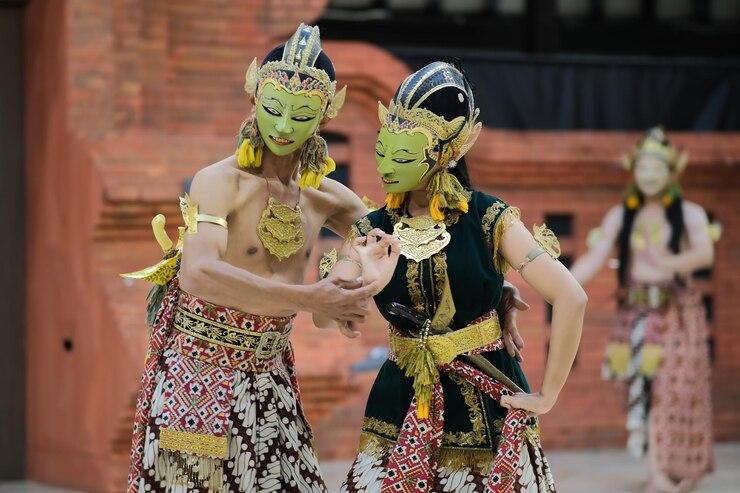
The Kebaya is a delicate, embroidered blouse traditionally paired with a Jarik. It is worn by women during weddings, cultural festivals, and formal occasions. In Yogyakarta, the Kebaya is often handcrafted with lace, beads, and intricate motifs, reflecting the wearer’s social status and the significance of the event. Wearing a Kebaya provides an intimate connection to centuries of cultural tradition. 

Contemporary Adaptations 

Today, designers in Yogyakarta blend classic Kebaya styles with modern fashion elements. Visitors can explore boutiques that display innovative combinations of fabrics, colors, and embroidery. These adaptations allow travelers to appreciate the evolving art of Javanese fashion while preserving its traditional roots. 

The Significance of Jarik 

Batik Artistry 

Jarik, the long traditional fabric wrapped around the body, is typically made of hand-dyed batik. Yogyakarta is famed for its batik craftsmanship, with patterns that carry symbolic meanings related to nature, mythology, and philosophy. The combination of Kebaya and Jarik creates a visual narrative that tells stories of Javanese identity and values. 

Ceremonial Importance 

Jarik is used in a variety of cultural and ceremonial contexts. Specific patterns are chosen for weddings, rites of passage, and religious ceremonies. Observing these traditions allows visitors to understand the symbolic depth behind the garments and the cultural significance of Javanese attire. 

Experiencing Traditional Attire in Yogyakarta 

Hands-On Workshops 

Travelers can join batik-making workshops and experience the art of wearing Kebaya and Jarik. Participating in these sessions offers a unique opportunity to connect with artisans, understand their techniques, and appreciate the cultural heritage preserved in every stitch and motif. 

Cultural Tours and Markets 

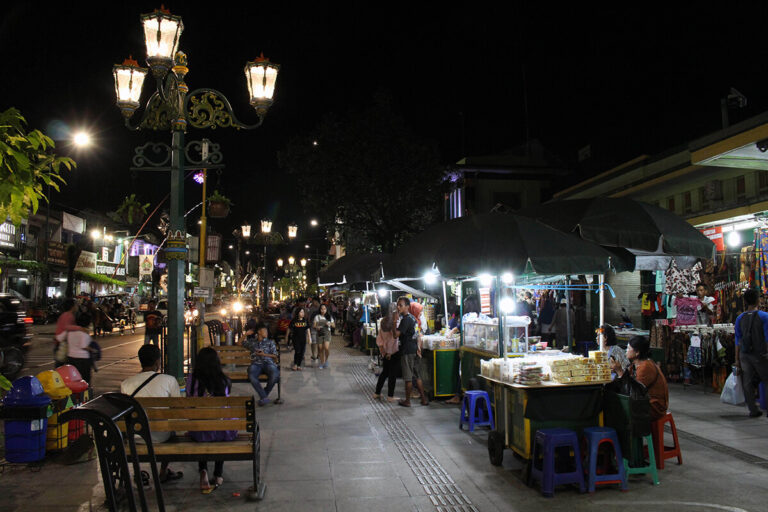
Yogyakarta’s traditional markets and cultural tours provide visitors with access to authentic Kebaya and Jarik. From high-end boutiques to local artisan stalls, travelers can shop for exquisite garments while supporting the local craft community. These experiences enrich a Wonderful Indonesia adventure, offering memories of style, culture, and creativity. 

Conclusion 

Kebaya and Jarik in Yogyakarta are more than clothing—they are living art, reflecting centuries of Javanese culture, values, and elegance. Experiencing these garments allows travelers to connect with local traditions, witness masterful craftsmanship, and celebrate Indonesia’s rich cultural tapestry. For anyone exploring Wonderful Indonesia, a journey into Yogyakarta’s traditional fashion offers a truly inspiring and memorable experience. 

Yogyakarta, the cultural heart of Java, is renowned for its rich heritage, arts, and traditional attire. Among its most iconic symbols are the Kebaya and Jarik, which embody centuries of Javanese tradition and elegance. For travelers seeking an authentic cultural experience, exploring Kebaya and Jarik in Yogyakarta provides a window into local fashion, customs, and artistry. Including this cultural exploration in your Indonesia Travel itinerary ensures a deeper connection with the region’s timeless heritage.

The Charm of Kebaya

History and Cultural Significance

The Kebaya is a traditional blouse-dress combination worn by women across Java, Bali, and other parts of Indonesia. In Yogyakarta, it is particularly significant, often worn during ceremonies, weddings, and cultural events. The garment represents elegance, femininity, and social identity. Each Kebaya design reflects its wearer’s status, occasion, and region, making it both a personal and cultural statement.

Modern and Traditional Styles

While the traditional Kebaya is handcrafted with intricate embroidery, lace, and brocade, modern variations blend contemporary fashion elements. Visitors to Yogyakarta can explore boutiques and ateliers that showcase both classic and modern Kebaya, offering insights into the evolving Javanese fashion scene. Trying on a Kebaya or purchasing one as a souvenir allows travelers to take a piece of this cultural heritage home.

The Beauty of Jarik

Traditional Batik Fabric

Jarik refers to the long piece of cloth, usually batik, wrapped around the lower body. In Yogyakarta, batik-making is a revered art form, with intricate patterns passed down through generations. Each Jarik pattern tells a story, often representing local myths, nature, or philosophical values. The combination of Kebaya and Jarik exemplifies Javanese grace, where every detail carries cultural meaning.

Symbolism and Usage

Jarik is more than clothing—it symbolizes respect, identity, and tradition. Women wear specific patterns for ceremonies, rituals, and celebrations, while men may also wear traditional batik for formal occasions. Observing the meticulous process of batik creation and understanding the stories behind each design enriches any Indonesia Travel experience.

Experiencing Kebaya and Jarik in Yogyakarta

Workshops and Cultural Tours

Travelers can participate in workshops to learn batik-making and try on traditional Kebaya and Jarik. Cultural tours offer guided insights into the history, symbolism, and craftsmanship of these iconic garments. Engaging in these activities fosters a hands-on appreciation of Javanese traditions.

Local Markets and Boutiques

Yogyakarta is dotted with markets, art shops, and boutiques selling authentic Kebaya and Jarik. Visitors can shop for ready-made or custom pieces, supporting local artisans and preserving traditional crafts. This not only adds to a meaningful travel experience but also contributes to sustaining cultural heritage.

Conclusion

Exploring Kebaya and Jarik in Yogyakarta is a journey into the heart of Javanese tradition. From the elegance of the Kebaya to the intricate artistry of batik Jarik, these garments showcase the beauty, culture, and identity of the region. For anyone planning Indonesia Travel, experiencing these traditional outfits offers a memorable and enriching cultural connection that reflects the spirit of Yogyakarta.