
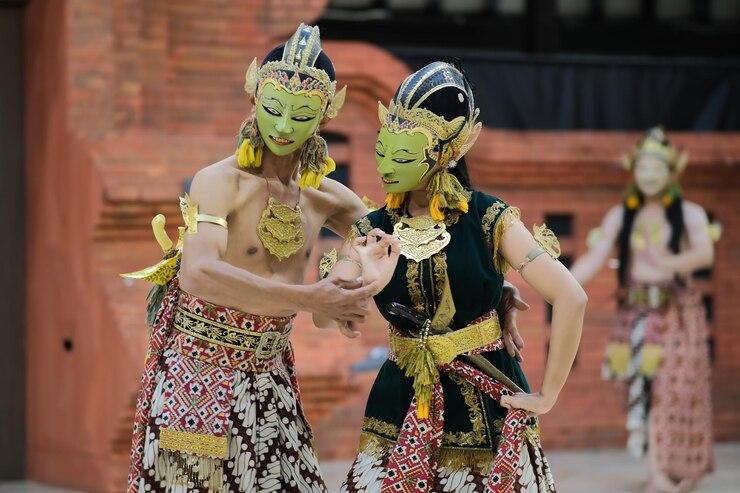
Yogyakarta, the cultural heart of Java, is renowned for its rich heritage, arts, and traditional attire. Among its most iconic symbols are the Kebaya and Jarik, which embody centuries of Javanese tradition and elegance. For travelers seeking an authentic cultural experience, exploring Kebaya and Jarik in Yogyakarta provides a window into local fashion, customs, and artistry. Including this cultural exploration in your Indonesia Travel itinerary ensures a deeper connection with the region’s timeless heritage.
The Charm of Kebaya
History and Cultural Significance
The Kebaya is a traditional blouse-dress combination worn by women across Java, Bali, and other parts of Indonesia. In Yogyakarta, it is particularly significant, often worn during ceremonies, weddings, and cultural events. The garment represents elegance, femininity, and social identity. Each Kebaya design reflects its wearer’s status, occasion, and region, making it both a personal and cultural statement.
Modern and Traditional Styles
While the traditional Kebaya is handcrafted with intricate embroidery, lace, and brocade, modern variations blend contemporary fashion elements. Visitors to Yogyakarta can explore boutiques and ateliers that showcase both classic and modern Kebaya, offering insights into the evolving Javanese fashion scene. Trying on a Kebaya or purchasing one as a souvenir allows travelers to take a piece of this cultural heritage home.
The Beauty of Jarik
Traditional Batik Fabric
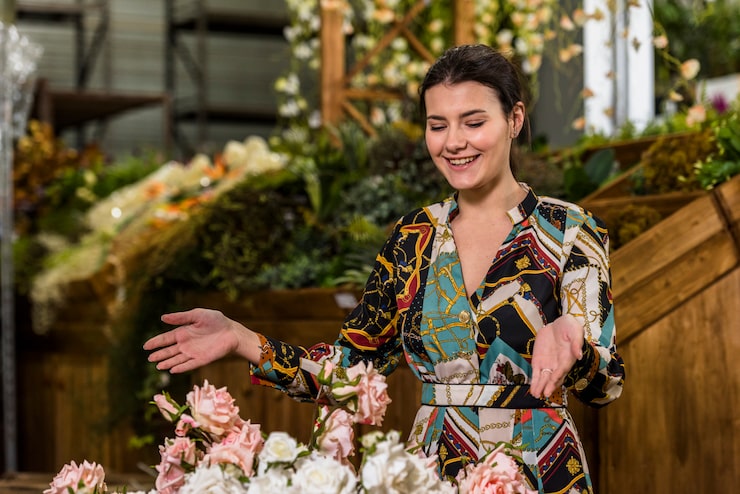
Jarik refers to the long piece of cloth, usually batik, wrapped around the lower body. In Yogyakarta, batik-making is a revered art form, with intricate patterns passed down through generations. Each Jarik pattern tells a story, often representing local myths, nature, or philosophical values. The combination of Kebaya and Jarik exemplifies Javanese grace, where every detail carries cultural meaning.
Symbolism and Usage
Jarik is more than clothing—it symbolizes respect, identity, and tradition. Women wear specific patterns for ceremonies, rituals, and celebrations, while men may also wear traditional batik for formal occasions. Observing the meticulous process of batik creation and understanding the stories behind each design enriches any Indonesia Travel experience.
Experiencing Kebaya and Jarik in Yogyakarta
Workshops and Cultural Tours
Travelers can participate in workshops to learn batik-making and try on traditional Kebaya and Jarik. Cultural tours offer guided insights into the history, symbolism, and craftsmanship of these iconic garments. Engaging in these activities fosters a hands-on appreciation of Javanese traditions.
Local Markets and Boutiques
Yogyakarta is dotted with markets, art shops, and boutiques selling authentic Kebaya and Jarik. Visitors can shop for ready-made or custom pieces, supporting local artisans and preserving traditional crafts. This not only adds to a meaningful travel experience but also contributes to sustaining cultural heritage.
Conclusion
Exploring Kebaya and Jarik in Yogyakarta is a journey into the heart of Javanese tradition. From the elegance of the Kebaya to the intricate artistry of batik Jarik, these garments showcase the beauty, culture, and identity of the region. For anyone planning Indonesia Travel, experiencing these traditional outfits offers a memorable and enriching cultural connection that reflects the spirit of Yogyakarta.

